evita

EViTA - EV infrastructure at shopping centres

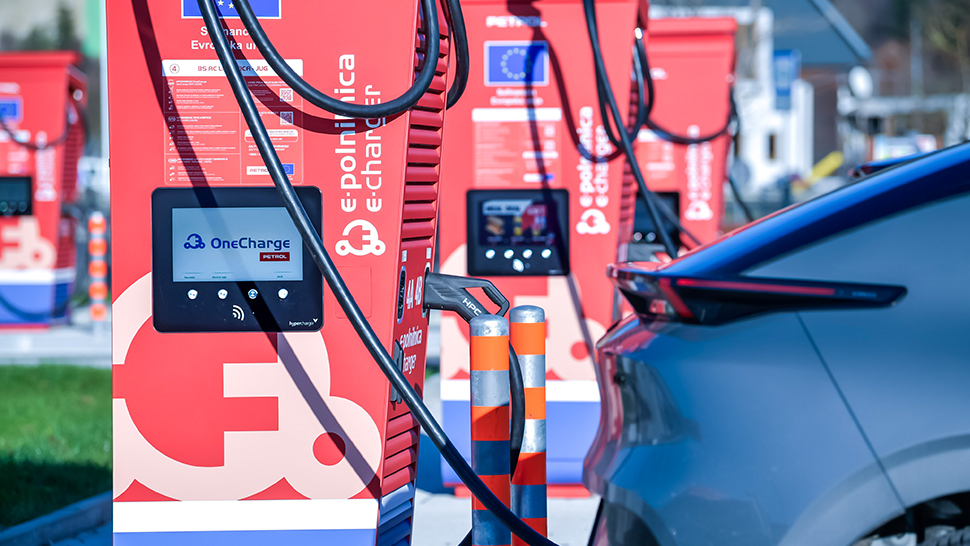
The EViTA project aims to accelerate the electrification of transport and help reduce greenhouse gas emissions by developing a modern, reliable, and widely distributed network of electric vehicle charging stations outside the TEN T network. Our goal is to make electric vehicle charging more accessible and to boost the overall appeal of electric mobility for residents, visitors, and businesses across Slovenia’s diverse statistical regions.

Information about project

Project duration: until 30 June 2026
Maximum amount of funding: 433,000 EUR

Call:

Public Call for Co Financing the Deployment of Publicly Accessible Charging Infrastructure for Electric Vehicles (JR NOO REPWR PPEV 2025)


Granting authority:

Ministry of the Environment, Climate and Energy
The project is implemented under the Recovery and Resilience Plan (RRP), within the development area “Green Transition”, component “Sustainable Mobility” (C1.K4), investment “Promoting the Deployment of Alternative Fuel Infrastructure in Transport”. It is also part of the development area “REPowerEU”, component “REPowerEU” (C5.K17), investment “Promoting the Deployment of Alternative Fuel Infrastructure in Transport (Extension)”.

Link to the webpage: www.noo.gov.si
 

Project description

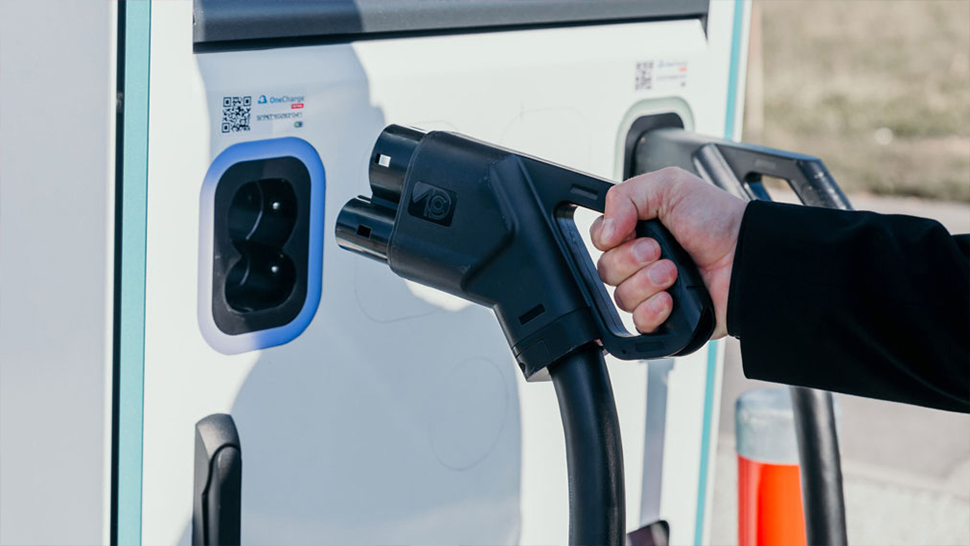
As part of the project, we will install 30 publicly accessible charging points across 8 locations, falling into the following categories:

  • Category 1 — AC standard power charging points: output power between 3.7 kW and 22 kW
  • Category 2A — DC fast charging points: output power between 50 kW and 150 kW
  • Category 2B — DC high power charging points (HPC): output power between 150 kW and 350 kW

This diverse configuration will support both standard and fast charging, meeting the needs of a wide range of users — from daily commuters to transit travellers and commercial fleets.

Contribution to the Green Transition

The EViTA project represents an important step forward in developing modern charging infrastructure in Slovenia, as it enables:

  • improved coverage of charging points across all regions,
  • greater accessibility of infrastructure for electric vehicle users,
  • a faster shift towards cleaner modes of transport,
  • support for the development of sustainable mobility at the national level.

By implementing the project, we also strengthen the competitiveness of the Slovenian economy, encourage innovation, and pave the way for a more sustainable future.

Disclaimer: The views and opinions expressed are solely those of the authors and do not necessarily reflect those of the European Union, European Commission or Ministry of the Environment, Climate and Energy of Republic of Slovenia as granting authority. Neither the European Union, nor the European Commission or the granting authority can be held responsible for them.