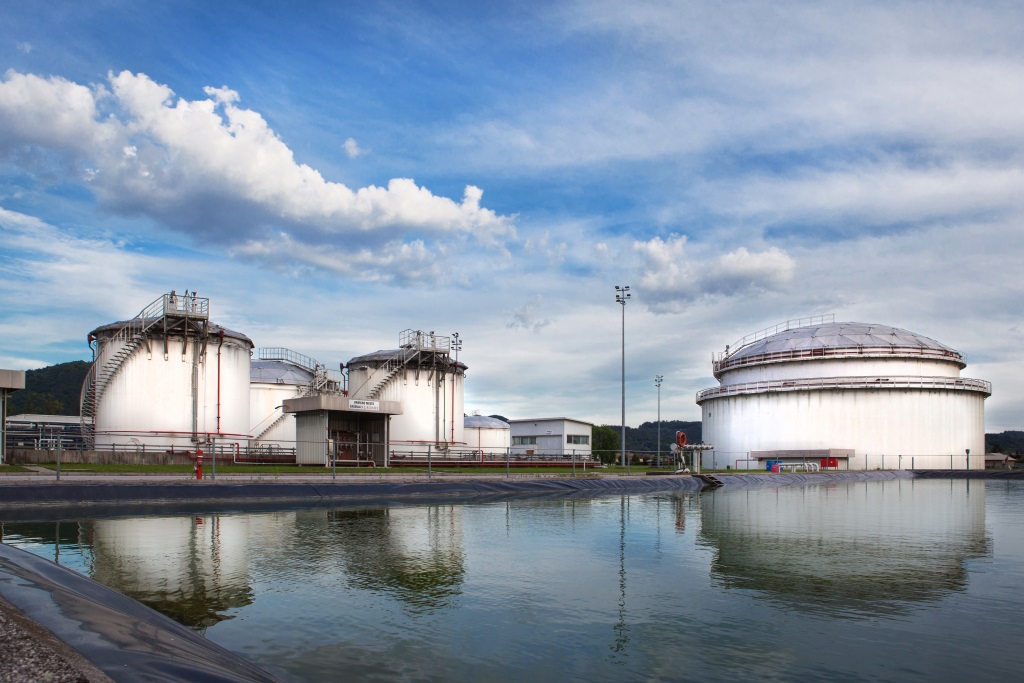
Energy products
Comprehensive energy supply on the path to a low-carbon society is a strategic goal of the Petrol Group. We trade in oil, natural gas, heat, electricity, and alternative fuels. We proactively introduce alternative fuels.
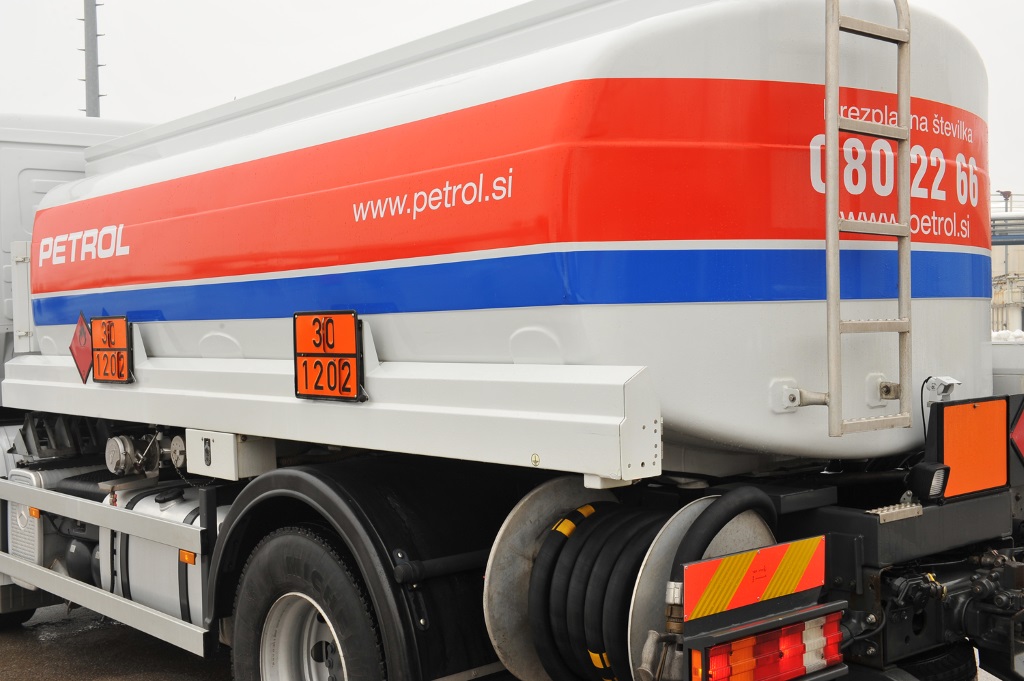
The largest sales segment at Petrol consists of petroleum products. In the Slovenian market, the Petrol Group holds a 58% market share in terms of the number of service stations, with 317 stations. Our competitive advantage lies in our leading position on transit routes, with a focus on motorway locations, key urban areas, and border locations. The Petrol Group sells more than half of its petroleum products through wholesale. With its market position, the Petrol Group ensures an uninterrupted supply of motor fuels and other petroleum derivatives, even under challenging business conditions, establishing itself as a key supplier to businesses in the markets where it operates.
CO2 and other emissions generated by the combustion of fuels in internal combustion engines can also be reduced when using conventional petroleum fuels (diesel, gasoline). Additivation and the use or combination with certain advanced biofuels play a key role in making these fuels more environmentally friendly.
The Renewable Energy Directive for transport requires fuel suppliers to gradually replace petroleum fuels with appropriate alternative fuels. These are fuels that are partially or entirely derived from renewable sources and are more environmentally friendly in terms of emissions. Petrol fulfills this obligation primarily by blending biofuels with fossil fuels.
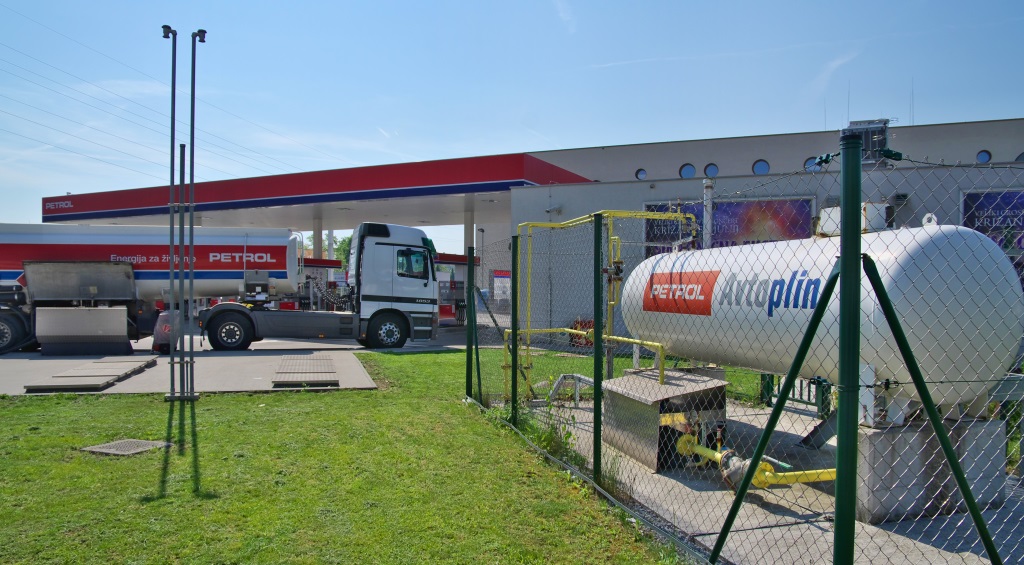
This is demonstrated by Petrol's Q Max fuel family, which reduces fuel consumption and, consequently, emissions. Compared to standard fuels, fuel consumption can be reduced by up to 4.5%. The Q Max iQ Diesel, introduced to the market at the end of 2019, reduces CO2 emissions by an additional 26% compared to conventional diesel fuel.
Petrol also offers Q Max HVO, an alternative fuel to conventional diesel (EN 590). It is suitable for use in diesel engines where the vehicle manufacturer permits the use of fuel compliant with the EN 15940 standard. From a sustainability perspective, the production and use of Q Max HVO can achieve up to 90% lower CO2 emissions compared to standard mineral diesel, significantly contributing to the decarbonization of transport.
In addition to standard fuel offerings, Petrol increasingly aims to meet the specific needs of certain users. One such product is diesel fuel for maritime transport, which must comply with the MARPOL convention on the prevention of marine pollution and the safety of crew and passengers. In maritime transport, stricter requirements have been introduced regarding the use of fuels with high sulfur content. Petrol has therefore introduced Marine Diesel, a fuel tailored to meet the specific requirements of maritime transport.